Part 5: Tools for Growth – Managing Time for Learning
Living Your Best – Continual Learning & Personal Growth
Part 5: Tools for Growth – Managing Time for Learning
Living Your Best is a reflection series exploring continual learning, personal growth, and emotional well-being.
In a fast-moving and often demanding world, it is easy to feel overwhelmed or uncertain about the direction of our lives. Yet growth does not come from dramatic life changes alone. It often begins quietly — with small shifts in our thinking, our habits, and the way we understand ourselves.
Each part of this series explores one aspect of personal development, offering reflections, practical ideas, and gentle encouragement for anyone seeking to live with greater purpose, balance, and confidence.
In previous posts we explored the importance of lifelong learning and the different pathways through which learning can happen and one of the most powerful drivers of learning and personal growth – curiosity. In this post we explore how managing our time intentionally can create space for learning, reflection, and personal growth.
Managing Time for Learning
One of the most common barriers to personal growth is not a lack of interest or motivation. It is the feeling that there is simply not enough time.
Modern life is busy. Between work, family responsibilities, and daily tasks, learning and personal reflection can easily slip to the bottom of the priority list.
Yet growth rarely happens accidentally. It usually happens when we intentionally create space for it.
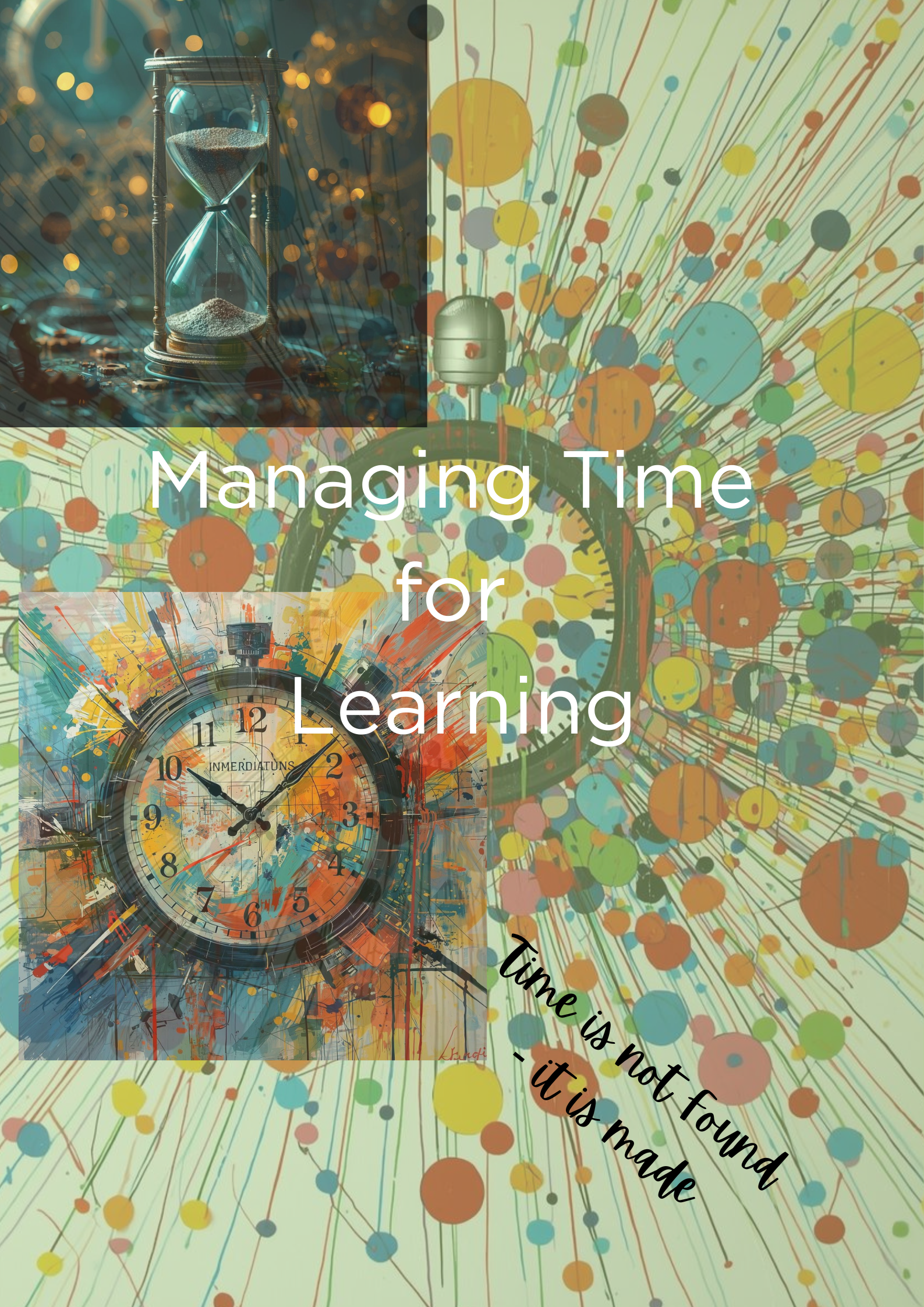
Time Is Not Found – It Is Made
Many people say, “I wish I had more time to read, learn, or develop new skills.”
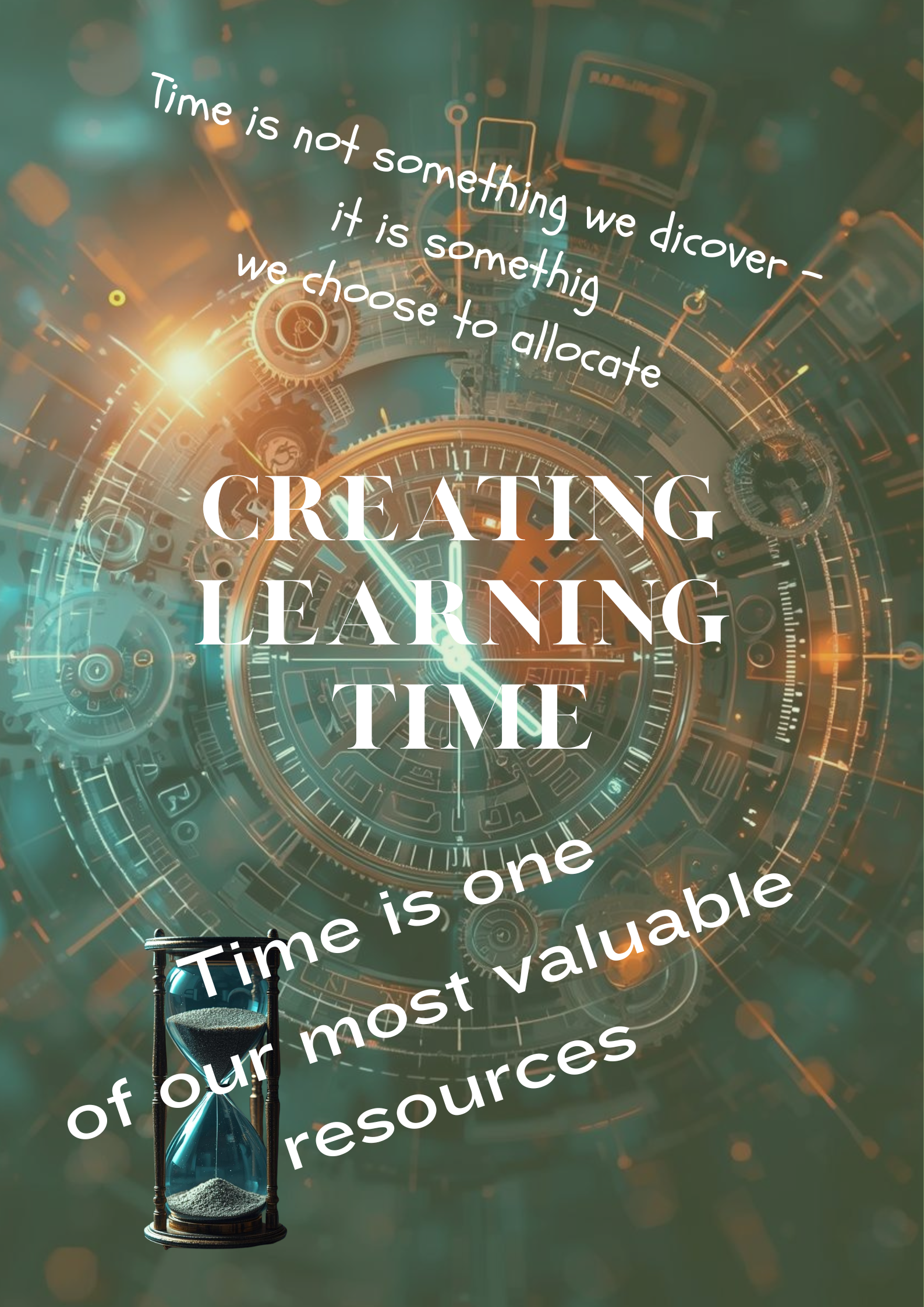
Time is not something we discover — it is something we choose to allocate.
Even small pockets of time can become opportunities for learning:
reading a few pages of a book
listening to a podcast while walking
reflecting on a new idea during quiet moments
Consistent small actions often lead to meaningful change over time.
Simple Strategies for Creating Learning Time
You do not need large blocks of time to grow. A few simple strategies can make learning part of everyday life.
1. Start small
Set aside just 10–15 minutes a day for reading, listening, or reflection.
2. Link learning to existing habits
Read with your morning coffee, listen to podcasts during a commute, or reflect in the evening.
3. Protect your learning time
Treat it as an important appointment with yourself.
4. Focus on consistency rather than perfection
Small regular steps are far more powerful than occasional bursts of effort.
A Small Exercise
Look at your typical day and ask yourself:
Where could I create just 15 minutes for learning or reflection?
It may be earlier in the morning, during a quiet afternoon moment, or before going to bed.
Small changes in how we use our time can gradually transform our personal growth.
Managing Time for Growth- questions
How do I currently spend the small pockets of time in my day?
Where could I create just a few minutes for learning or reflection?
What one small habit could help me make personal growth part of my routine?
Reflection
Growth does not require dramatic lifestyle changes. It often begins with simple decisions about how we spend our time.
What small adjustment could you make this week to create space for learning?
Final Thoughts
Time is one of our most valuable resources.
When we invest even a small portion of it in learning, reflection, and growth, the returns can shape our lives in meaningful ways.
Personal growth is not about becoming a completely different person. It is about continuing to grow into a fuller, wiser version of who we already are.
Each small step — a new idea, a thoughtful question, a moment of reflection — adds to the journey. When we remain curious, open to learning, and willing to grow, we give ourselves the opportunity to live with greater purpose, understanding, and balance.
And that, perhaps, is one of the most meaningful ways to truly live our best lives.
Living Your Best – Continual Learning & Personal Growth
A reflection series exploring how curiosity, learning, and thoughtful habits help us grow into fuller versions of ourselves.