Part 3 – Relationships and Connection
Living Your Best: Mental Health Care Series
Part 3 – Relationships and Connection
Because we’re not meant to do life alone (even if we sometimes pretend, we can).
If there’s one thing the last few years have taught us, it’s this: human beings need people. Not necessarily crowds, not noisy WhatsApp groups or family members who forward you fifty “good morning” messages before 6am… but genuine, comforting, nourishing connection.
Our support systems — friends, family, colleagues, that one neighbour who always has sugar when you don’t — play a huge role in keeping us grounded, hopeful, and emotionally resilient. Even the most independent among us need a safe space to land, someone to laugh with, someone to listen, and sometimes, someone to remind us to eat lunch.
In this part of the series, we look at how connection strengthens mental well-being and how to build relationships that lift you up rather than drain you dry.
Nurturing Supportive Relationships
Healthy relationships don’t just fall from the sky wrapped in gift paper. They grow — slowly, intentionally, and sometimes with the patience of a saint.
Supportive relationships show up in many forms:
A friend who checks in “just because”
A sibling who understands your mood from the way you say hello
A partner who knows when you need space and when you need chocolate
A colleague who turns stressful days into manageable ones
These connections don’t need perfection; they simply need consistency, kindness, and a willingness to be present.
Think of them as emotional vitamins — taken regularly, they boost your resilience.
Setting Healthy Boundaries
Ah, boundaries. The life skill we all need but weren’t given an instruction manual for.
Setting boundaries doesn’t mean building walls; it means installing friendly, clearly labelled fences. “No trespassing after 9pm unless you bring snacks.”
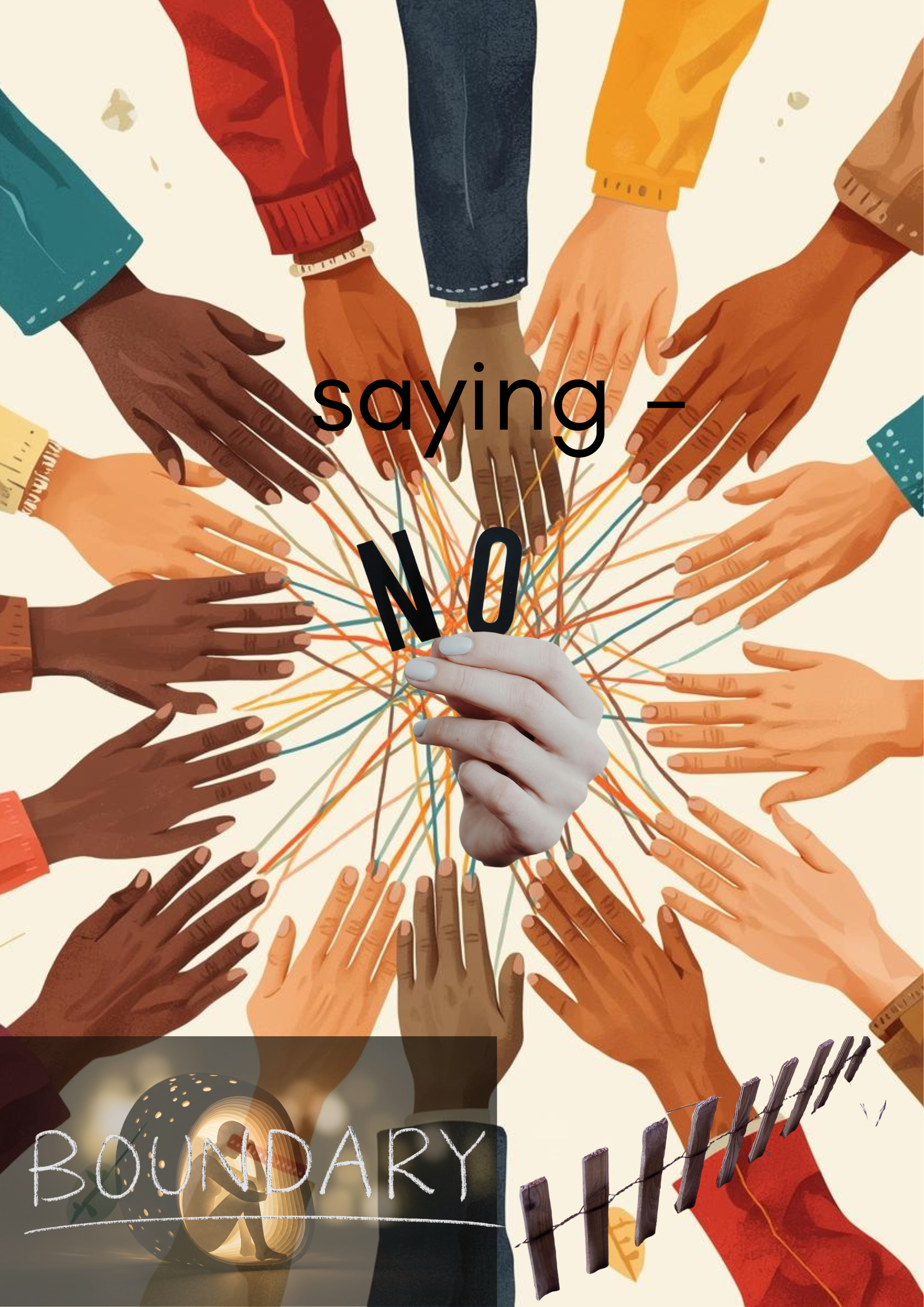
Relationships and connection - because we’re not meant to do life alone.
Boundaries help you protect your energy, prioritise your mental well-being, and stay true to your values. They keep relationships healthy rather than heavy.
And of course, saying “no” is a complete sentence — no apology required.
Solitude vs Loneliness
These two often get confused, but they’re very different creatures.
Solitude is choosing your own company — quiet moments that refill your emotional tank. Tea, pyjamas, a book, silence… bliss.
Loneliness, on the other hand, is the ache of disconnection, even when you’re surrounded by people.
One brings peace. The other needs care.
Knowing the difference allows you to reach out when you need companionship, and retreat when you need rest.
The Importance of Laughter and Shared Joy
Laughter is basically emotional glue — it bonds people, lightens stress, and gives you tiny bursts of joy you didn’t know you needed.
Shared joy — like inside jokes, fun moments, or a “you’ll never believe what happened today” message — reminds us that life isn’t only about responsibilities and worries. It’s also about connection, warmth, and a bit of silliness.
A good laugh with the right person can lift your mood faster than any motivational quote.
A Gentle Closing Thought
We thrive when we feel supported, understood, and connected. Building meaningful relationships, protecting our boundaries, and allowing room for joy all help strengthen our emotional resilience.
At the end of the day, mental well-being is not a solo project — it’s a symphony played with the people who walk beside us.